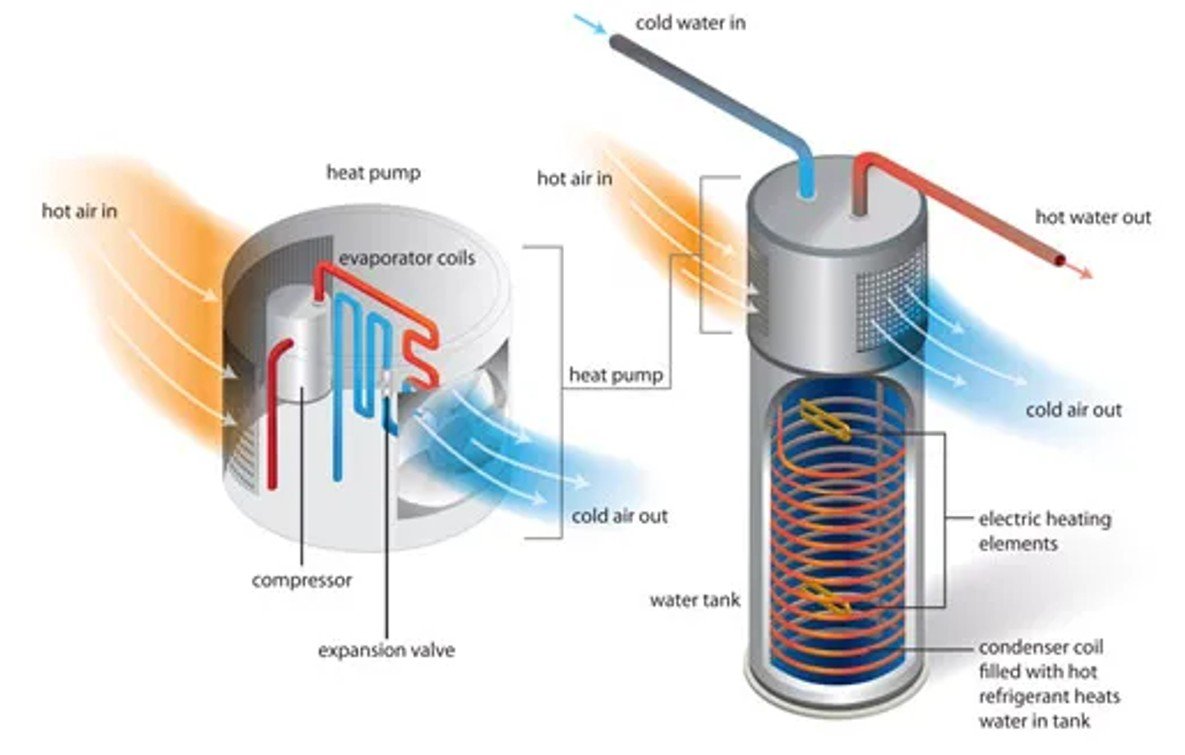
Hydrotherm heat pumps have gained significant attention in the realm of sustainable heating and cooling solutions. These systems offer a range of advantages that make them suitable for various residential, commercial, and industrial applications. Understanding the benefits and applications of these heat pumps is essential for property owners, engineers, and sustainability experts aiming to improve energy efficiency and reduce environmental impact.
What Are Hydrotherm Heat Pumps?
A Hydrotherm heat pump is a device designed to extract thermal energy from water sources such as groundwater, lakes, or rivers to provide heating and cooling for a building. Unlike conventional heat pumps that rely on air as the medium, hydrothermal systems utilise water’s stable temperatures to increase efficiency and reliability.
Energy Efficiency Advantages
One of the primary benefits of hydrotherm heat pumps is their superior energy efficiency. Since water temperatures remain relatively consistent throughout the year compared to air temperatures, hydrotherm heat pumps operate with less energy input to maintain desired indoor temperatures. This characteristic leads to lower electricity consumption and reduced greenhouse gas emissions.
Environmental Impact Reduction
The adoption of hydrotherm heat pumps contributes substantially to environmental sustainability. These systems reduce reliance on fossil fuels for heating and cooling, leading to decreased carbon dioxide emissions. Additionally, the use of renewable thermal energy from water sources aligns with goals to combat climate change and promote clean energy technologies.
Lower Operational Costs
Although the initial installation cost of hydrotherm heat pumps may be higher compared to traditional heating systems, their operational costs are considerably lower. The high efficiency means that users benefit from reduced energy bills over time. Moreover, the durability and low maintenance requirements of these pumps contribute to cost savings throughout their lifespan.
Applications in Residential Buildings
In the residential sector, hydrotherm heat pumps are utilised to provide heating, cooling, and hot water. Many homeowners prefer these systems due to their quiet operation and minimal impact on indoor air quality. They can be integrated with underfloor heating or radiators, providing flexible and efficient temperature control throughout the home.
Commercial Building Utilisation
Commercial properties such as office buildings, retail centres, and hospitality venues also benefit from hydrotherm heat pumps. Large-scale installations can serve multiple zones within a building, delivering consistent and efficient climate control. This can improve occupant comfort while reducing operational expenses, a key consideration for commercial operators.
Industrial Applications
The industrial sector utilises hydrotherm heat pumps in processes that require precise temperature regulation. For example, manufacturing plants that depend on heating or cooling water streams find these systems advantageous for maintaining optimal process conditions without excessive energy consumption. This enhances production efficiency and reduces environmental impact.
Integration with Renewable Energy Systems
Hydrotherm heat pumps complement other renewable energy technologies such as solar photovoltaic panels or wind turbines. By pairing these systems, buildings can achieve higher energy independence and reduce grid reliance. Such integration supports the transition to net-zero emissions and exemplifies responsible energy management practices.
Long Lifespan and Reliability
Designed for longevity, hydrotherm heat pumps feature durable components suitable for various environmental conditions. Their reliability ensures continuous operation with minimal downtime, which is critical for both residential comfort and industrial productivity. This reliability also translates to lower maintenance demands and lower lifetime costs.
Improved Indoor Air Quality
Unlike some traditional HVAC systems that circulate air, hydrotherm heat pumps operate using a closed water loop. This reduces the introduction of airborne pollutants, allergens, and humidity fluctuations indoors, promoting better air quality. Improved indoor environments contribute to occupant health and wellbeing.
Regulatory and Incentive Support
Governments and local authorities increasingly support the installation of energy-efficient technologies like hydrotherm heat pumps through grants, rebates, or tax incentives. These programmes aim to encourage adoption of sustainable heating and cooling options, making hydrotherm heat pumps more financially accessible to end-users.
Challenges and Considerations
Despite their benefits, there are challenges associated with hydrotherm heat pump installations. Site-specific factors such as access to suitable water sources, permitting requirements, and initial capital investment need careful evaluation. Nonetheless, proper planning and professional consultation can address these considerations effectively.
Emerging Technologies and Innovations
The field of hydrotherm heat pumps is evolving, with ongoing research to enhance system performance and reduce costs. Innovations include advanced control systems, improved materials for heat exchangers, and hybrid configurations combining multiple renewable energy sources. These developments promise to widen the applicability and benefits of hydrotherm heat pumps further.
Conclusion
Hydrotherm heat pumps represent a highly efficient and sustainable solution for heating and cooling across various applications. Their ability to harness stable water temperatures offers significant energy savings, environmental benefits, and improved indoor comfort. As the demand for green building technologies grows, hydrotherm heat pumps are set to play an important role in advancing energy-efficient climate control.
For those considering modern and eco-friendly heating systems, learning more about the Hydrotherm heat pump provides valuable insight into a reliable alternative to conventional HVAC methods.