Asbestos remains a significant health and safety concern in many environments, particularly in older buildings where it was commonly used as a construction material. Effective management of asbestos risks requires thorough and ongoing monitoring to ensure the safety of occupants and workers. In Sydney, asbestos air monitoring plays a crucial role in assessing and controlling airborne asbestos fibres, which are hazardous when inhaled.
Understanding Asbestos and Its Risks
Asbestos is a naturally occurring mineral valued for its heat resistance, strength, and insulating properties. However, when asbestos-containing materials are damaged or disturbed, microscopic fibres can become airborne and inhaled. These fibres pose severe health risks, including asbestosis, lung cancer, and mesothelioma. Due to its hazardous nature, stringent regulations govern the management of asbestos on construction sites and in buildings.
The Importance of Asbestos Air Monitoring
Air monitoring for asbestos is a critical component of a comprehensive asbestos management plan. It is essential to verify that asbestos fibres are not present in the air at unsafe levels, especially during demolition, renovation, or remediation activities. Without effective air monitoring, there is a risk that asbestos exposure could occur unnoticed, posing significant health threats to building occupants and workers.
Regulatory Requirements in Sydney
In Sydney, and across Australia, asbestos management is strictly regulated to protect public health. These regulations require licensed asbestos assessors and clearance inspectors to conduct air monitoring before, during, and after asbestos removal or disturbance. Compliance with these regulations helps ensure that asbestos fibres remain below acceptable limits and re-occupancy is safe.
Techniques Used in Asbestos Air Monitoring
Asbestos air monitoring in Sydney involves collecting air samples and analysing them to detect the presence and concentration of asbestos fibres. The most common methods include Phase Contrast Microscopy (PCM) and Transmission Electron Microscopy (TEM). PCM provides a rapid assessment of fibre concentration, while TEM offers more detailed identification at the fibre type level, which is important in confirming asbestos presence.
Personal and Area Air Monitoring
Monitoring is generally conducted in two ways: personal and area sampling. Personal air monitoring involves placing sampling devices on workers to assess their individual exposure. Area monitoring collects air samples from specific locations within a site to determine the concentration of asbestos fibres in the environment. Both methods are important for evaluating risks and implementing appropriate control measures.
The Process of Asbestos Air Monitoring
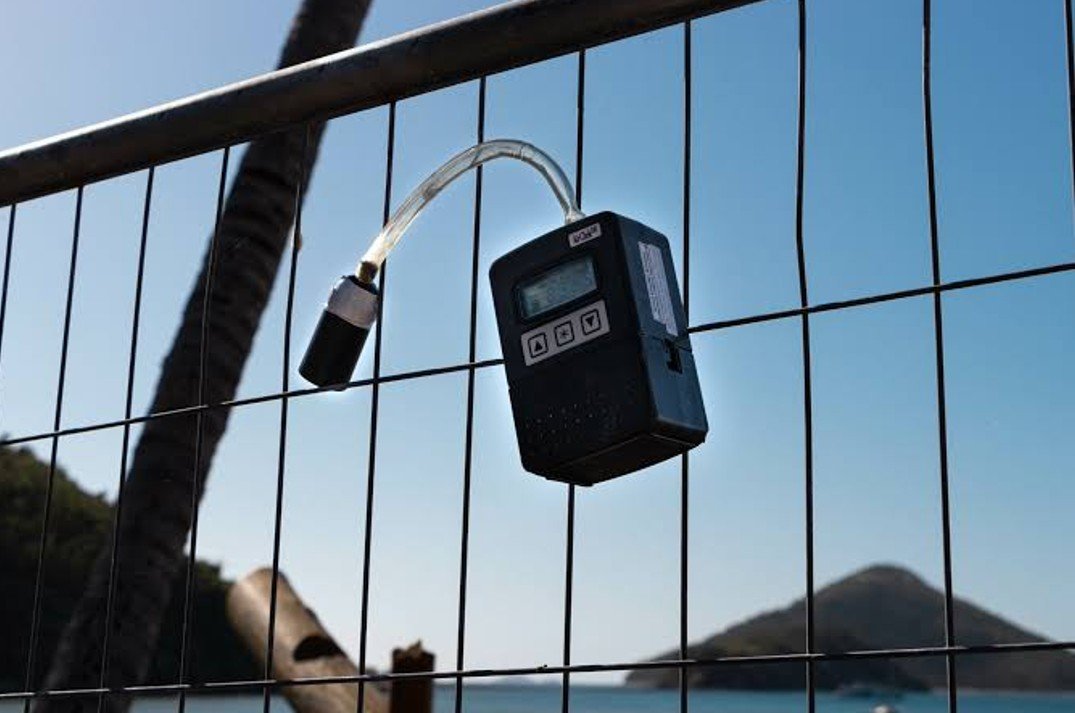
The air monitoring process begins with site assessment and planning to determine suitable monitoring locations and methods. Air samples are then collected using specialised equipment that draws a known volume of air through a filter, capturing airborne fibres for laboratory analysis. The samples are analysed, and results are reported, indicating whether fibre concentrations exceed safety thresholds.
Interpreting the Results
The analysis results inform decision-making regarding the safety of a site. If asbestos fibre levels are found to be above accepted limits, further control measures are necessary, which might include additional containment, removal, or decontamination efforts. Conversely, if levels are below the thresholds, it indicates that the site is safe for occupancy or work to continue under appropriate controls.
The Role of Professional Asbestos Air Monitoring Services
Engaging experienced asbestos air monitoring services in Sydney is essential to ensure accurate sampling, proper analysis, and compliance with legislation. Expert providers employ trained technicians and use state-of-the-art equipment to deliver reliable results. Professional services also provide comprehensive reporting and advice to support effective asbestos risk management.
Benefits of Using Specialist Services
Specialised asbestos air monitoring companies not only conduct sampling and analysis but also assist with risk assessments and management plans. This integrated approach helps clients minimise liability, maintain safety standards, and ensure regulatory compliance. Additionally, their expertise can reduce the likelihood of unnecessary delays or site closures due to non-compliance.
Applications of Asbestos Monitoring in Sydney
Asbestos air monitoring is applied in various scenarios, including construction and demolition projects, routine building maintenance, refurbishment works, and after asbestos removal. It is especially crucial in older structures known to contain asbestos materials. Regular monitoring supports ongoing safety and helps verify the effectiveness of control measures over time.
Supporting Public Health and Safety
By monitoring airborne asbestos fibres, companies and building managers in Sydney contribute to protecting public health. Early detection of asbestos in the air allows for timely intervention, preventing exposure and reducing the risk of asbestos-related diseases. This proactive approach aligns with national safety standards and community expectations for healthy environments.
Choosing the Right Service Provider
When selecting an asbestos air monitoring provider in Sydney, it is vital to consider their qualifications, experience, and compliance credentials. Providers should hold proper licences, employ accredited analysts, and follow recognised Australian standards for asbestos management. Transparent reporting and customer service are also significant factors.
Environmental and Occupational Safety Standards
Asbestos air monitoring services must adhere to stringent environmental and occupational safety standards to ensure valid and reliable results. This includes compliance with Worksafe NSW guidelines and other relevant legislation. Providers that maintain high standards contribute to safer workplaces and communities.
Accessing Reliable Asbestos Air Monitoring in Sydney
For businesses and property managers seeking dependable monitoring solutions, online resources provide excellent starting points. For instance, asbestos air monitoring Sydney services offer detailed information on testing procedures, compliance advice, and service offerings, helping clients make informed decisions.
Conclusion
Comprehensive asbestos air monitoring is an indispensable part of managing asbestos risks in Sydney. It ensures that asbestos fibres remain below hazardous levels, safeguarding the health of workers, residents, and the public. Engaging professional monitoring services, adhering to regulatory requirements, and applying robust risk management practices are essential steps in maintaining safe environments where asbestos may be present.