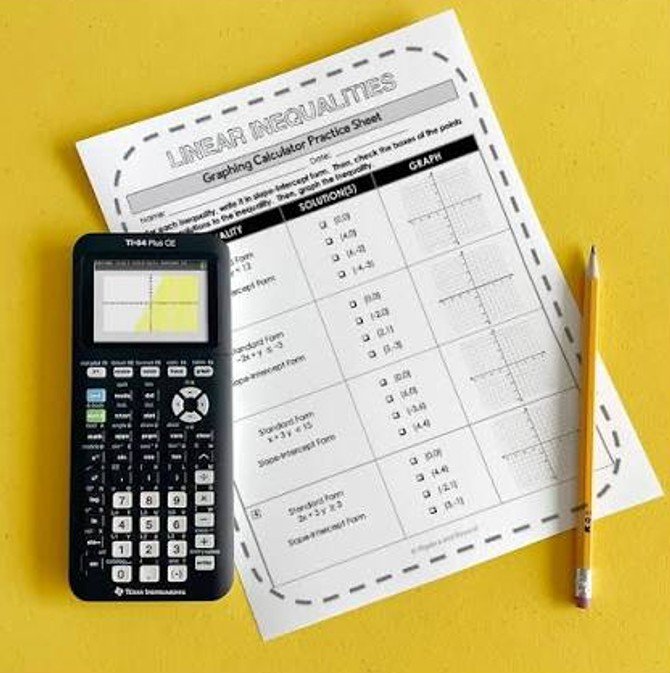
Graphing calculators have become essential tools for students tackling mathematics, engineering, and science courses. Their capabilities extend far beyond basic arithmetic, allowing users to visualise complex equations, plot functions, and perform advanced calculations efficiently. Understanding the benefits, features, and types of graphing calculators available is crucial for students seeking to enhance their academic performance.
What Is a Graphing Calculator?
A graphing calculator is a specialised device designed to solve mathematical problems involving variables, graph plotting, and data analysis. These calculators come equipped with high-resolution screens capable of displaying multiple graphs simultaneously. They combine functionalities such as scientific calculations, statistics, and programming into one portable device.
The Importance of Graphing Calculators in Education
Graphing calculators play a pivotal role in education by enabling students to visualise mathematical concepts and relationships. This visualisation aids in the comprehension of subjects like algebra, trigonometry, and calculus. Additionally, many examination boards permit their use during tests, recognising their educational value while stipulating specific models to maintain fairness.
Key Features of a Graphing Calculator
The primary features include the ability to plot graphs of equations in one or more variables, solve simultaneous equations, and perform matrix calculations. Most graphing calculators also offer programmable functions, allowing students to create custom algorithms and routines. Other important aspects are a user-friendly interface, sufficient memory, and battery life to sustain extended use during study sessions or examinations.
Types of Graphing Calculators
Various manufacturers offer different models of graphing calculators, tailored for various skill levels and academic needs. Some models focus on ease of use for beginners, while others provide advanced tools suitable for university-level mathematics and engineering. Features and prices vary accordingly, making it important for students to select a model that aligns with their curriculum requirements.
Advantages of Using a Graphing Calculator
One significant advantage is the ability to handle complex functions that would be time-consuming or difficult to calculate by hand. Graphing calculators can instantly generate graphs, allowing students to experiment with different functions and parameters interactively. This immediate feedback supports better understanding and problem-solving skills.
Limitations and Considerations
Despite their advantages, graphing calculators should not be seen as replacements for foundational mathematical skills. Overreliance can hinder the development of manual problem-solving techniques. Additionally, students must ensure their chosen calculator complies with examination regulations, as some institutions restrict certain models or functionalities.
Selecting the Right Graphing Calculator
When choosing a graphing calculator, students should consider the complexity of their courses and the calculator’s compatibility with their syllabus. Other factors include ease of use, screen clarity, battery life, and available technical support. Reviews and recommendations from educators can provide valuable insights into selecting an appropriate model.
Popular Brands and Models
The market offers a range of options from well-known brands, each with unique strengths. Some models emphasise intuitive interfaces and affordability, while others boast extensive programmability and connectivity options. Investigating various models before purchase ensures alignment with personal and academic needs.
Graphing Calculators in STEM Subjects
STEM disciplines particularly benefit from the capabilities of graphing calculators. Subjects such as physics and engineering require visualisation of data and functions that graphing calculators facilitate. They also support statistical analysis and numerical methods, which are vital components of scientific study.
Programming on Graphing Calculators
Modern graphing calculators often include programming functionality, enabling students to write scripts and automate calculations. This feature is beneficial for performing repetitive tasks and experimenting with mathematical algorithms. Learning to programme on a graphing calculator can also introduce students to basic computer science concepts.
Integrating Graphing Calculators into Learning
Effective use of graphing calculators involves integrating them into regular study routines rather than relying solely on their computational power. Educators encourage students to use graphing calculators to verify solutions and explore mathematical concepts in greater depth. This approach reinforces theoretical knowledge and practical application.
Graphing Calculators and Examination Policies
Before using a graphing calculator in examinations, it is essential to verify allowable models and features. Some examination boards restrict calculators with computer algebra systems or wireless communication to maintain academic integrity. Students must consult official guidelines to ensure their device is permitted.
Cost and Accessibility
Graphing calculators can represent a significant investment, with prices varying based on features and brand reputation. Schools and institutions occasionally provide access to calculators, but students may also consider renting or purchasing second-hand models. Digital alternatives such as calculator apps are available but may not be permissible in examination settings.
Future Trends in Graphing Calculators
Advancements continue to enhance graphing calculators with improved interfaces, increased memory, and wireless connectivity. Integration with smartphones and cloud services is becoming more common, offering expanded learning resources and collaborative features. Staying informed about these developments can help students select the most suitable and up-to-date tools.
Conclusion
The graphing calculator remains a vital educational instrument, supporting students in understanding and applying mathematical concepts effectively. Selecting the appropriate model requires careful consideration of academic needs, usability, and examination requirements. Utilised correctly, graphing calculators can significantly enhance the learning experience and academic success.
For a diverse selection of reliable and high-quality options, exploring the range of graphing calculators is recommended, ensuring students find devices well-suited to their educational pursuits.